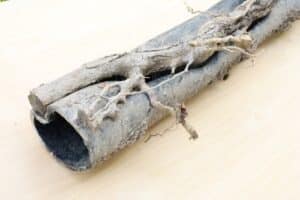

Colton has some of the oldest residential housing in San Bernardino County. Homes built in the 1940s through 1970s — and there are a lot of them — were plumbed with galvanized steel supply lines, a material that seemed durable at the time but has proven to be a ticking clock. After 40 to 60 years, galvanized pipes corrode from the inside out, restrict water flow, contaminate water with rust particles, and eventually fail.
If your Colton home still has its original galvanized plumbing, a repipe isn’t a question of if — it’s a question of when.
How to Know Your Colton Home Needs a Repipe
Declining water pressure. Galvanized pipes corrode internally, building up layers of rust and mineral deposits that narrow the pipe diameter over time. If your water pressure has been gradually weakening — especially at fixtures farthest from the main supply — corrosion is the most likely cause.
Rust-colored water. Brown or orange water coming from the hot side (or both sides) indicates the interior of the pipe is shedding rust. This isn’t just an aesthetic issue — it’s a sign the pipe walls are thinning, and a failure is approaching.
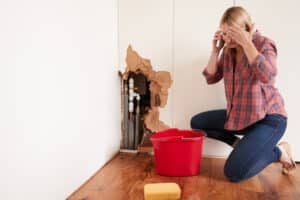
Frequent leaks. If you’ve had two or more leaks repaired in the last year, the pipe is failing systemically. Fixing individual leaks in corroded galvanized lines is like plugging holes in a dam — the next one is already forming.
Visible corrosion. Check the exposed pipes in your garage, basement, or crawl space. If you see heavy rust, green oxidation (on copper), or white mineral deposits at joints, the pipes are deteriorating.
Lead concerns. Some galvanized pipes installed before 1986 were joined with lead-based solder. While Colton’s municipal water supply meets EPA Safe Drinking Water Act standards at the source, degraded pipes inside the home can introduce lead and other contaminants between the meter and the faucet.
What a Repipe Involves
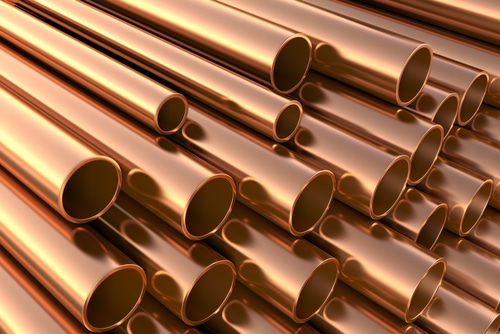
A home repipe replaces all the supply lines inside the house — hot and cold — with modern materials, typically PEX (cross-linked polyethylene) or copper. Here’s what the process looks like:
Planning and access. The plumber maps every supply line in the house and plans the routing for the new pipes. In most Colton homes, new lines run through the attic and drop down inside walls to each fixture.
Installation. New PEX or copper lines are installed to every fixture — sinks, toilets, showers, bathtubs, water heater, washing machine, dishwasher, and outdoor hose bibs. The old galvanized lines are abandoned in place (removing them would require opening every wall, which is unnecessarily invasive and expensive).
Connection and testing. New lines are connected to the main supply and each fixture, then the system is pressure-tested to confirm zero leaks.
Wall repair. Small access holes cut into drywall are patched and finished. A good plumber minimizes the number and size of access points.
The entire process typically takes 1 to 2 days for a standard single-family home. You’ll have water service throughout most of the work, with only brief shutdowns during changeover points.
PEX vs. Copper: Which Is Better for Colton Homes?
Both are excellent modern options. PEX is flexible, resistant to scale buildup, less expensive, and faster to install. Copper is rigid, proven over decades, and has slightly higher resale perception in some markets. In Colton’s hard water environment, PEX has an edge because it doesn’t corrode or accumulate mineral scale the way copper can over time. Most repipes in the Inland Empire today use PEX for supply lines.
The Long-Term Value of a Repipe
A repipe restores full water pressure, eliminates rust contamination, prevents future leak emergencies, and often increases the resale value of the home. For Colton homeowners with aging galvanized plumbing, it’s one of the most impactful home improvements you can make — and it pays for itself in avoided water damage, emergency calls, and peace of mind.
Plumbing MATTers Rooter & Plumbing Services provides complete home repipe services in Colton and the Inland Empire. Licensed, insured, upfront pricing, and a clean, efficient installation. Call (909) 714-2207 for an assessment.