Grand Terrace is a small, quiet city tucked between Colton and Riverside with a lot of single-family homes built between the 1960s and 1990s. And that housing age is exactly why sewer line problems are becoming more common here. Pipes that were installed 30 to 50 years ago are reaching the end of their expected lifespan — and the soil conditions in this part of San Bernardino County don’t help.
Why Grand Terrace Sewer Lines Fail
Three factors drive most sewer line failures in Grand Terrace:
Pipe material and age. Homes built before the mid-1980s often have clay or Orangeburg (compressed tar paper) sewer laterals. Both materials degrade over time. Clay pipes crack at the joints, and Orangeburg literally collapses under soil pressure after a few decades. If your home still has its original sewer line from the 1970s, the question isn’t really if it will fail — it’s when.
Tree root intrusion. Grand Terrace yards are full of mature trees — many planted when the homes were built. Those root systems have had decades to find their way into sewer pipe joints, and once roots get inside, they grow rapidly. They catch waste, create blockages, and eventually crack the pipe open. Our post on how tree roots contribute to sewer backups covers the mechanics of this in detail.
Soil movement. The soils in the Grand Terrace area contain expansive clays that swell with moisture and shrink during dry periods. This constant movement puts lateral pressure on buried pipes, gradually shifting joints and creating low spots where waste collects.
How to Know Your Sewer Line Needs Attention
The early warning signs are consistent: multiple slow drains at the same time, sewage smells in the yard or near floor drains, gurgling toilets, or water backing up in the lowest fixtures of the house. If any of those sound familiar, a sewer camera inspection is the smartest next step. A camera shows the exact location, cause, and severity of the problem — which means you’re not guessing about what kind of repair you actually need.
Your Repair Options
Depending on what the camera finds, repairs range from simple to involved:
A root mass blocking an otherwise intact pipe can often be cleared with a rooter service or hydro jetting. These methods restore flow without excavation.
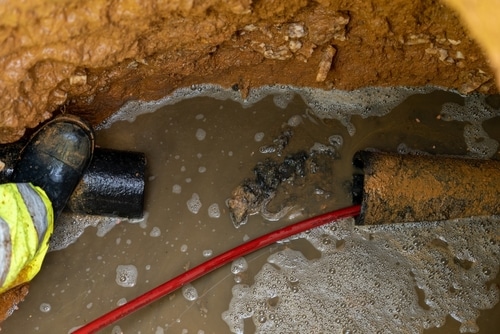
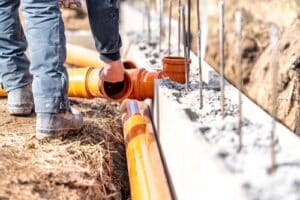
A cracked or collapsed section of pipe requires a sewer line repair or replacement. In some cases, trenchless methods can reline the pipe without tearing up your yard. In other cases — particularly with full Orangeburg collapse — a traditional dig-and-replace is the most reliable long-term fix.
The key is getting an accurate diagnosis first. The California State Water Resources Control Board regulates sewer system standards throughout the state, and any repair should meet current code requirements.
Don’t Wait on Sewer Problems
A cracked sewer line that’s barely noticeable today can turn into a full backup or a foundation problem within months. Grand Terrace homeowners who suspect sewer issues should call Plumbing MATTers Rooter & Plumbing Services at (909) 714-2207 for an honest assessment and upfront pricing.